
News
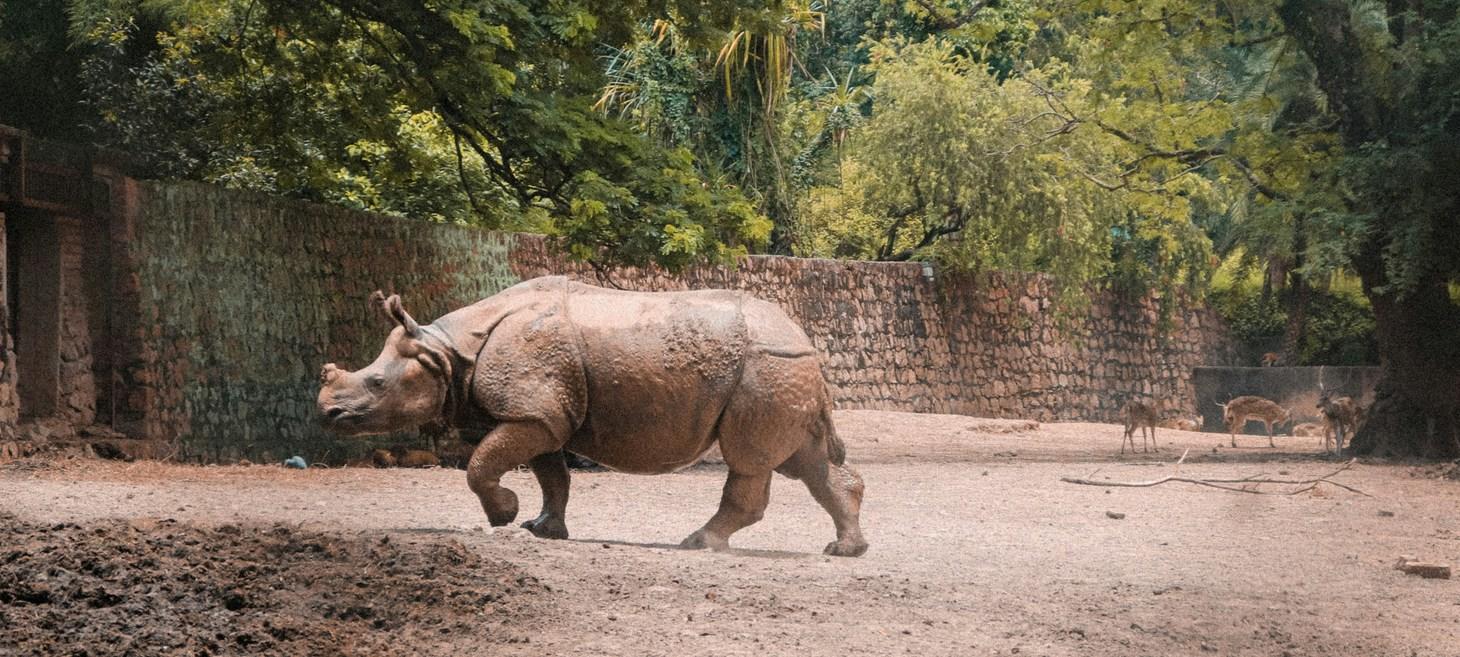
The Solitary Splendor of the One-Horned Rhino
There's something rather melancholy about the one-horned rhino.
Barrel-shaped with a sturdy carapace of tough skin girdling his middle, his small eyes blink into the distance as if he needs spectacles and his jaws move in steady contemplative grazing.
On a November dawn safari in northern India, ("Life of Pi" & "Covenant of Water" Adventure) we saw more than a dozen one-horned rhinos, munching grass and savoring water lilies in splendid isolation. Some were accompanied by baby rhinos. Others were mature, even wizened. (They live up to 45 years)
They are solitary creatures, once hunted and poached almost to extinction. But here's a conservation story to celebrate.
One-horned rhinos have made a remarkable recovery. The World Wildlife Fund declared it "among the greatest conservation stories in Asia." Today, more than 4000 one-horned rhinos roam the grasslands and preserves of northern India and Nepal. And traveling to the other side of the world to see them supports that commitment to conservation.
As a rising apricot sun bathed the savanna, we watched the rhinos forage for breakfast and I remembered something I'd read in a profile of the great British naturalist David Attenborough (approaching his 100th birthday!)
Attenborough, who has been to some of the most remote and pristine reaches of the world to observe nature, was talking about the power of observation and empathy.
"...the natural world," he said, "is the greatest source of excitement; the greatest source of visual beauty; the greatest source of intellectual interest. It is the greatest source of so much in life that makes life worth living."
Amen. Which is why next year I'm journeying to Africa's Last Eden for a once-in-a-lifetime adventure.
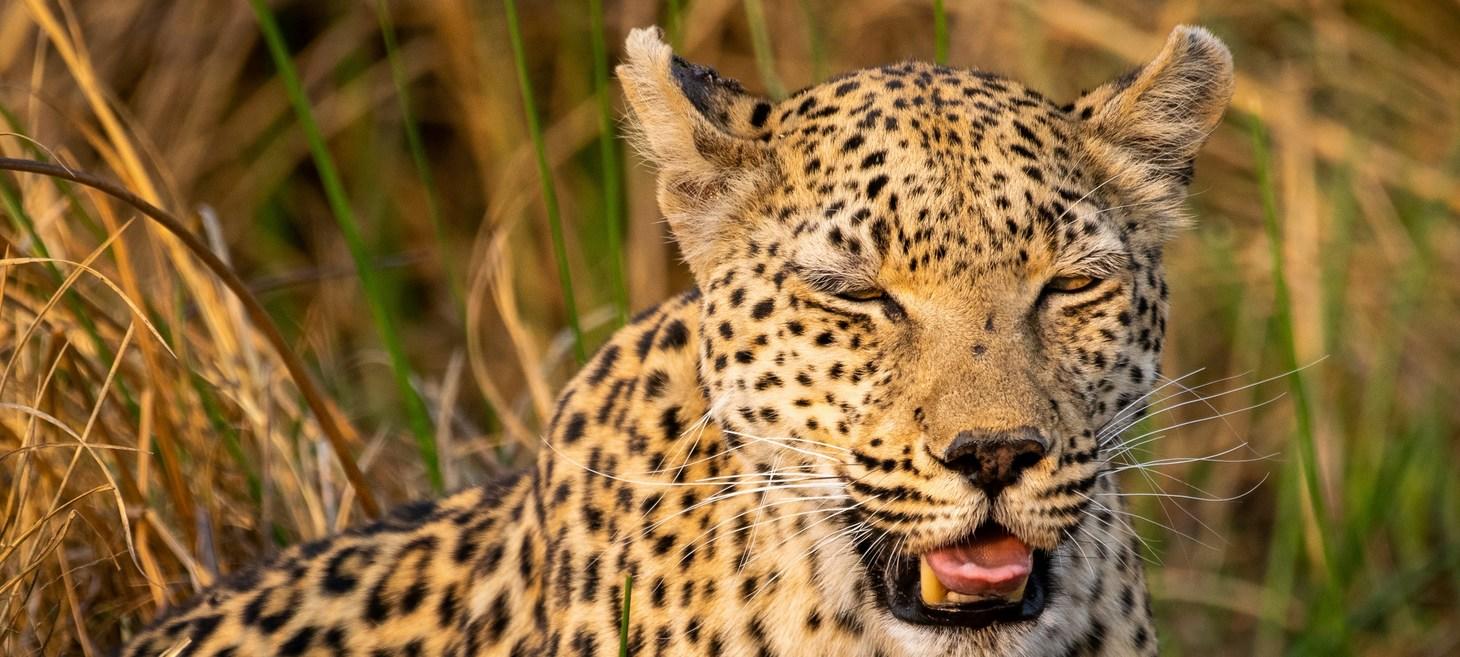
Adventure to Africa's Last Eden, June 2027.
Inspired by the magnificent experience of seeing rhinos, elephants, breathtakingly beautiful birds and a fleeting glimpse of a Bengal tiger in India, I am creating an adventure to the Okavango Delta in Botswana.
This is a singular and exceptional expedition. National Geographic calls the Okavango Delta "an ecological marvel." UNESCO has designated it a World Heritage site. And naturalist David Attenborough describes it as "a bountiful paradise."
Why: When the floodwaters flow into the Delta, the wetlands draw lions, leopards, hippos, herds of elephants, zebras, flocks of migratory birds and more for an unparalleled wildlife experience.
When: June, 2027. This is Botswana's winter and this is when the floodwaters rush down from Angola, attracting thirsty animals to Botswana's Delta. I've scheduled this for June so that we're ahead of peak travel season, but there for the best wildlife viewing of the year.
Guides: I've chosen safari guides with an international reputation for a serious approach to seeing predators in the wild.
Please note that while this is a highly comfortable camp experience, it is not a luxury safari. We are there together to see the animals and support Botswana's conservation efforts.
Size of the Group: I can only take a maximum of 10 people (I'm the eleventh) because our safari camps are small and remote. I will also create a waiting list and deposits will be refunded if someone from the waiting list joins the trip.
Book List: Our late afternoons at the safari camps are tranquil and perfect for book conversations. Wait until you see what I put on our adventure book list!
Interested? Please Email me at: SirenSojourns@gmail.com.
"Mesmerizing" Movies to See Before We Go.
When Bernardo Bertolucci's movie, "The Sheltering Sky" premiered in December of 1990, the critic for the New York Times wrote of the desert grandeur cinematographer Vittorio Storaro captured on film.
"The Sheltering Sky is stunning to look at," Vincent Canby wrote, "but it is never simply picturesque. It mesmerizes."
There is something transcendent about experiencing the glory of nature anew through the perspective of filmmaking's most talented photographers.
Here's a collection of gorgeous movies that sweep us off to some splendid Siren Sojourns destinations:
Morocco/"The Sheltering Sky" Literary, Culinary & Wilderness Adventure. April, 2026
"Lonely Planet" starring Laura Dern & Chris Hemsworth. Set at a writing retreat in Morocco where the Atlas Mountains tower in the background and Hemsworth seems to have an endless supply of blindingly white shirts that billow deliciously in the desert breeze.
The French Riviera/ "F. Scott Fitzgerald's French Riviera & Provence," March, 2028.
Along with "The Thomas Crown Affair," "To Catch a Thief" is one of my all-time fave films. Seeing a pattern here? I love a good caper!
Cary Grant is a reformed (or is he??) jewel thief living quietly in the Cote d'Azure of France. When a rash of new daring heists breaks out, Grant falls under suspicion. As he tries to clear his name, he succumbs to the enchantment of the jewel-laden and sexually adventurous Francie Stevens played by Grace Kelly.
Tasmania: "The Wild Dark Shore" Adventure to Tasmania," November, 2027.
The Guardian newspaper's review of "The Light Between Oceans," starring Alicia Vikander and Michael Fassbender included this droll sentence: "A new Richter scale may have to be devised to measure the mass audience lip-trembling."
Count me among the "tremblers." I LOVED this movie for its excruciating moral choices, terrific chemistry between Fassbender and Vikander (now married) and breathtaking landscapes.
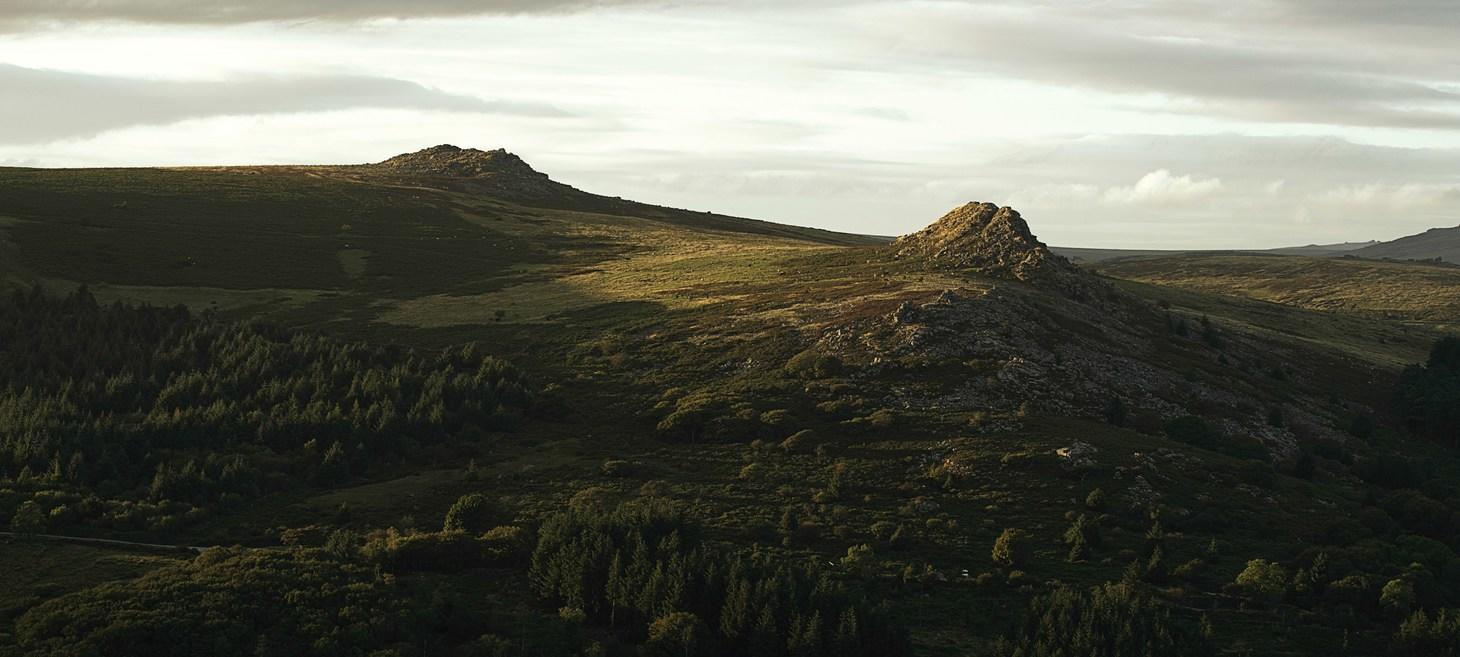
England's Moors: "Jane Eyre's England," May, 2027.
In the previews for "Hamnet,"--I'm still under the spell of that incredible movie two weeks later!--a preview for the new adaptation of "Wuthering Heights" rolled before my delighted eyes. I'm up, forever and always, for new versions of Austen, the Brontes & George Eliot.
Margot Robbie (wearing an excellent shade of lipstick) and Joseph Elordi, hair streaming, brow furrowed, prance across the moors, engaging in plenty of torturous teasing and foreplay.
Director Emerald Fennell has loved the book since she read it at 14. "I've been driven mad by this book." It opens on Valentine's Day and guess who will be there to see it??
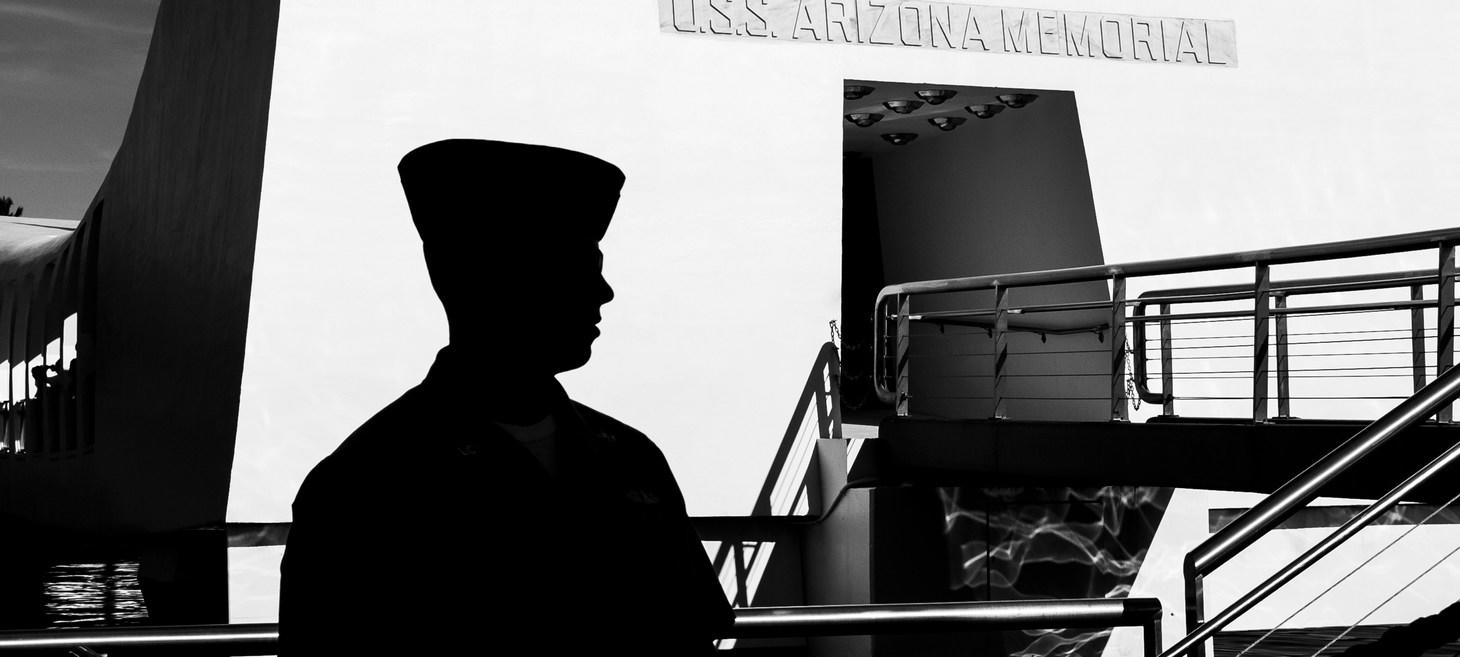
Read to Roam Book for January: "Family of Spies" by Christine Kuehn
One of the first clues Christine Kuehn had that the shroud that enveloped her father’s past wasn’t accidental was a reunion with her father’s sister, Ruth. When she questioned her aunt about her paternal grandparents, Ruth snapped, “You have a good life. You don’t want to ruin with the past.”
It would take many more years before Christine and her husband Mark learned that Chris’s grandparents and their daughter Ruth were devoted and accomplished Nazi spies who helped the Japanese attack Pearl Harbor.
Once settled in Hawaii, the husband and wife and their daughter (Christine's father was too young to be of much help) scavenged for gossip at glamorous parties they could send back to their Japanese handlers; they observed American troop movements in the waters around Oahu; and they eventually had a dormer window constructed on the top floor of their house so they'd have an unimpeded view to Pearl Harbor.
Chris Kuehn writes in the epilogue of her new book, “I still wake up in the middle of the night with an overwhelming sense of dread knowing that my family played a key role in the tragedy at Pearl Harbor and there is nothing I can do to change that.”
Listen for my MPR interview on "Family of Spies" January 30.
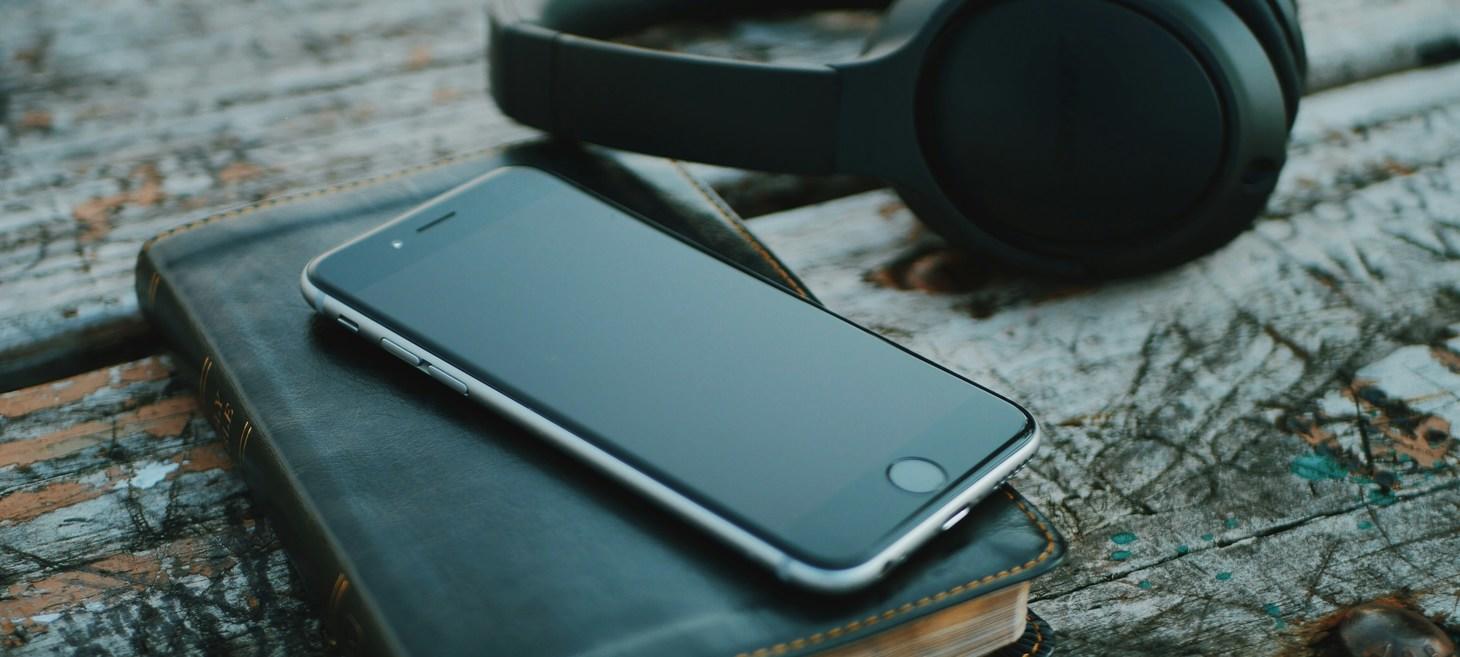
Still Not Sure Listening is Reading?
I know. Enough already. But I thought I'd share part of this essay from NYT Book Review journalist Elizabeth Egan. It is such a joyful take on audiobooks.
By the way: If you haven't read "The Correspondent" by Virginia Evans, I highly recommend the audio version. I LOVED it!
Excerpted From the NYT: "It started with “Red Comet,” an 1,118-page biography of Sylvia Plath, undertaken with far-flung friends during the pandemic (obviously). The audiobook was 45 hours long, the Mount Everest of listening. I summited, knitting a chunky striped blanket along the way. I never looked back.
Or did it start when my husband surprised me with a pair of AirPods in a case with my name on it, book-ended by stars? Or, further back, when our then teenage son used to walk around the house wearing what looked like a cigarette butt in his ear, bass pumping so loudly I could feel it in the floorboards? (“What,” he’d say, no question mark. “I hear you.”) Or was it when my eyesight became so finicky, I needed contact lenses, reading glasses and a klieg light just to distinguish between shampoo and conditioner?
I’ll never know. The fact is, over the past five years, I’ve migrated from books on paper to books in my ears. I still love the feel of a fat hardcover — the weight of pages, the smell of print, all the tangible details I’ve celebrated since I first read a chapter book on my own. (It was “B is for Betsy” by Carolyn Haywood; it felt like taking flight, more exhilarating than learning to ride a bike and equally unforgettable.)
Now, suddenly or not so suddenly, I prefer … recordings. Honestly, the transition probably has more to do with my kids growing up than anything else. As the house went silent, I cranked up the volume on my phone. It turned out that the peace I’d been craving was too quiet.
Like many audiobook devotees, I’m sheepish about my conversion, which seems blasphemous for a writer at the Book Review. I wonder whether listening “counts” as reading. I wonder whether I retain information the same way I would if it entered my brain through my eyeballs. I wonder whether I’m lazy, whether audiobooks are the boneless chicken wings of the book world — satisfying, convenient and not quite the real deal.
But here’s what I love about listening: I can do it all the time, not just while sitting still. I read (and yes, it is reading) while making my bed, brushing my teeth, unloading the dishwasher, commuting to work, waiting in line, driving and occasionally while falling asleep. Unless I’m washing my hair, I also wear an AirPod in the shower — only one, so the other is always charging — and I travel with wired headphones in case of emergency.
Obsessive, yes, but this has always been my approach to reading. I love the way an audiobook brings me one step closer to a story, removing the middleman of paper or a screen. I’m not just hovering over the action, I’m in it. Channeling it. Bonus: No trees are harmed in the recording...."